
Get Cement Board Installation in Pittsburgh, PA
Local contractors in Pittsburgh, PA, can install cement boards to improve bathroom, kitchen, or basement walls, providing durable, moisture-resistant surfaces for various renovation projects.
Property owners in Pittsburgh, PA, exploring options for cement board installation can find valuable resources and local service providers ready to assist with their projects. Whether updating existing spaces or planning new construction, choosing the right contractors is an important step in ensuring the work meets practical needs and quality standards. This site helps property owners compare local contractors who specialize in cement board installation, making it easier to evaluate options and find experienced professionals suited to specific project requirements.
Understanding the benefits of professional cement board installation can support informed planning and decision-making. Local contractors in Pittsburgh offer a range of services that can help property owners achieve durable, reliable results for walls, bathrooms, or exterior surfaces. By exploring available options and connecting with experienced service providers, property owners can move forward with confidence in their project plans.
- Bathroom Renovations - when upgrading or waterproofing areas prone to moisture in Pittsburgh homes.
- Kitchen Backsplash Installations - for adding durable, moisture-resistant surfaces in culinary spaces.
- Basement Finishing - to create a moisture-resistant barrier in basement walls and ceilings.
- Commercial Building Projects - for installing cement boards in retail or office spaces requiring durable wall surfaces.
- Outdoor Patio Construction - when building weather-resistant surfaces in outdoor living areas in neighborhoods around Pittsburgh.
Cement board installation involves placing durable, moisture-resistant panels that serve as a strong base for various wall and flooring applications. These panels are typically made from cement and reinforcing fibers, providing a solid surface that can withstand exposure to water and humidity. The installation process includes measuring, cutting, and securely fastening the cement boards to framing structures, ensuring a flat and stable foundation for the finishing materials that will be applied afterward. This service is essential for creating a reliable surface in areas prone to moisture, such as bathrooms, kitchens, laundry rooms, and outdoor spaces.
One of the main problems cement board installation helps address is moisture damage. Traditional drywall can deteriorate quickly when exposed to water, leading to mold growth, warping, and structural issues. Cement boards are specifically designed to resist water and mold, making them an ideal choice for wet environments. Proper installation also helps prevent cracks and movement in tiled surfaces, which can occur over time due to shifting or settling. For homeowners dealing with recurring issues like water seepage or cracked walls, professional cement board installation can provide a long-lasting, stable solution that enhances both safety and durability.
Properties that typically use cement board installation include residential homes, commercial buildings, and renovation projects. In residential settings, cement boards are often installed in bathrooms around showers and tubs, as well as in kitchen backsplashes and laundry areas. Commercial properties such as restaurants, retail stores, and office buildings also benefit from this service, especially in areas where moisture resistance and structural integrity are priorities. Additionally, outdoor spaces like porches and patios may utilize cement boards as a base for tile or stone finishes, offering a weather-resistant foundation that stands up to the elements.
Homeowners who are planning a bathroom remodel, installing new kitchen tiling, or upgrading outdoor patios may find that cement board installation is a necessary step to ensure a quality, long-lasting result. This service is also suitable for those dealing with damaged or deteriorating wall surfaces that need reinforcement before applying new finishes. By working with experienced local contractors, property owners can ensure that the cement boards are installed correctly, providing a stable and moisture-resistant foundation that helps prevent future problems. Contacting professionals for this work can help achieve a durable, professional finish tailored to the specific needs of each property.
The overview below groups typical Cement Board Installation projects into broad ranges so you can see how smaller, mid-sized, and larger jobs often compare in Pittsburgh, PA.
In many markets, a large share of routine jobs stays in the lower and middle ranges, while only a smaller percentage of projects moves into the highest bands when the work is more complex or site conditions are harder than average.
Smaller Repairs - For minor cement board repairs or patchwork, local contractors typically charge between $250 and $600. Many routine jobs fall within this range, especially for small sections or quick fixes.
Standard Installation - Installing cement board for a typical bathroom or kitchen project generally costs from $1,000 to $3,000. Most projects of this size land in the middle of this range, depending on the area and scope.
Larger Projects - Larger, more complex installations such as full wall or ceiling coverings can range from $3,500 to $7,000. Fewer projects reach into this higher tier, usually involving extensive prep work or multiple rooms.
Full Replacement - Complete removal and replacement of existing cement board can cost $5,000 or more, especially for sizable or multi-room jobs. These projects are less common and tend to be on the higher end of the cost spectrum.
Actual totals will depend on details like access to the work area, the scope of the project, and the materials selected, so use these as general starting points rather than exact figures.
Drywall Installation - drywall installation involves similar skills in measuring, cutting, and securing panels, which are essential for proper cement board placement and preparation.
Tile Setting - tile setting requires precise surface preparation and knowledge of waterproofing, both of which are important when installing cement boards as a substrate.
Backsplash Installation - installing kitchen or bathroom backsplashes involves working with cement boards to create a stable surface for tile adhesion.
Bathroom Waterproofing - waterproofing projects involve planning and applying barriers that are compatible with cement board systems for moisture resistance.
Wall Framing - framing walls provides the structural foundation that supports cement board installation in interior or exterior applications.
Exterior Siding Preparation - preparing walls for siding often includes installing cement boards to ensure a durable, weather-resistant surface.

When choosing a contractor for cement board installation, it’s important to consider their experience with similar projects in the Pittsburgh area. Homeowners should look for service providers who have a proven track record of handling projects comparable in size and scope, ensuring they understand the specific requirements and challenges associated with cement board work. Asking for examples of past work or references related to similar installations can help assess whether a contractor has the necessary expertise to deliver quality results.
Clear, written expectations are essential to a successful project. Homeowners should seek out local contractors who can provide detailed explanations of their process, including materials used, installation methods, and any relevant warranties or guarantees. Having this information in writing helps prevent misunderstandings and ensures that both parties are aligned on the scope of work, timelines, and responsibilities, creating a foundation for smooth communication throughout the project.
Effective communication and reputable references are key factors when comparing local service providers. Reliable contractors are typically transparent about their work history and can provide references from previous clients in the Pittsburgh area. Engaging with these references allows homeowners to gain insights into the contractor’s professionalism, reliability, and quality of work. Good communication also involves responsiveness and clarity, which can make the entire process more straightforward and less stressful. Remember, the goal is to connect with experienced, reputable local pros capable of handling the project with clear expectations and open dialogue.
Property owners in Pittsburgh, PA use Cement Board Installation services for practical projects around their homes and businesses. This guide focuses on everyday jobs and straightforward project options.
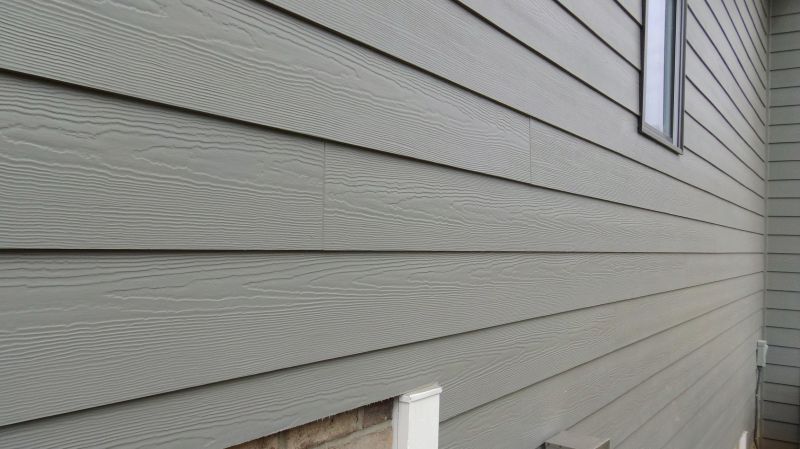
Cement board installation is a common project for property owners in Pittsburgh, PA who are renovating bathrooms, kitchens, or laundry areas. When upgrading a shower surround or waterproofing a basement wall, many residents seek the expertise of local contractors to ensure proper placement and secure attachment. These projects often arise from the need to improve durability and moisture resistance in spaces exposed to water or humidity, prompting property owners to look for experienced service providers in the area.
Additionally, homeowners and commercial property managers may need cement board installed as part of new construction or remodeling efforts. Whether preparing walls for tile or enhancing structural stability, local contractors can assist with straightforward installations that meet the specific demands of Pittsburgh’s building environment. Connecting with nearby professionals ensures the work is handled efficiently and in accordance with local standards.
What is cement board used for in construction projects? Cement board serves as a durable, moisture-resistant backing material commonly used behind tile in bathrooms, kitchens, and other areas prone to water exposure.
How do local contractors prepare for installing cement board? Contractors typically measure and cut the cement board to fit the designated area, secure it properly to the framing, and ensure a smooth, even surface for finishing.
Can cement board be installed over existing surfaces? Yes, in some cases, cement board can be installed over existing surfaces, provided they are stable and suitable for supporting the new material, but a professional assessment is recommended.
What tools are needed for cement board installation? Common tools include a utility knife, drill, screws, measuring tape, and a level, which local service providers typically have on hand for efficient installation.
What are common areas where cement board installation is recommended? Cement board is often installed in areas such as shower surrounds, bathroom walls, and kitchen backsplashes where moisture resistance is important.
Bathroom Renovations - Use cement board installation to create a durable surface behind tiles in showers and bathtub surrounds.
Kitchen Backsplash Projects - Install cement boards as a stable base for kitchen backsplashes that need moisture resistance.
Basement Wall Finishing - Prepare basement walls with cement board to provide a sturdy layer before applying drywall or finishing materials.
Exterior Wall Repairs - Use cement boards to improve the durability and moisture resistance of exterior wall areas undergoing renovation.
If you are thinking about Cement Board Installation for a property in Pittsburgh, PA, this guide is meant to help you understand the work, the typical project types, and how different options might fit your plans.
When you are ready, you can use the quote form on this page to share a few details about your project. From there, local pros can review the basics and respond with options that match what you have in mind.